
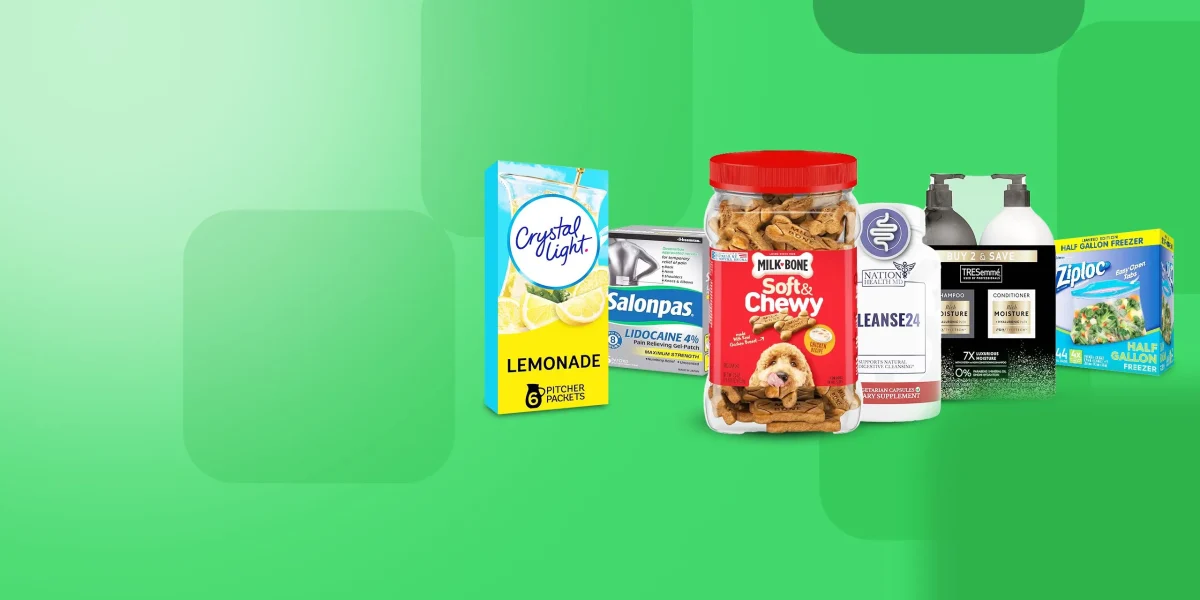
The Amazon wholesale business model is one of the most popular ways to sell on Amazon. Unlike private label sellers who create their own brands, wholesale sellers purchase branded products in bulk from suppliers and resell them on Amazon for profit.
Because the products already have demand, reviews, and sales history, wholesale is often considered a lower-risk business model for beginners and experienced ecommerce sellers alike.
In this guide, you’ll learn exactly how Amazon wholesale works, how to find suppliers, source products, manage inventory, and grow a profitable Amazon FBA business.
What Is Amazon Wholesale?
Amazon wholesale is a business model where sellers buy products at wholesale pricing from:
- Authorized distributors
- Wholesale suppliers
- Manufacturers
- Brand owners
and then resell those products through Amazon.
The goal is simple:
Buy low from suppliers and sell higher on Amazon while maintaining healthy profit margins.
How the Amazon Wholesale Business Model Works
The wholesale process follows a series of steps.
Step 1: Create an Amazon Seller Account
Before sourcing products, you need an Amazon Seller account.
Most wholesale sellers choose a Professional Seller Account because it provides:
- Bulk listing capabilities
- Advertising tools
- Inventory management features
- Advanced reporting
A professional account is essential for scaling a wholesale business.
Step 2: Research Profitable Products
Product research is the foundation of Amazon’s wholesale success.
Sellers look for products with:
- Consistent demand
- Good profit margins
- Stable pricing
- Low competition
- Strong sales history
Popular research tools include:
- Helium 10
- Jungle Scout
- Keepa
These tools help sellers analyze:
- Sales rank
- Price history
- Monthly sales volume
- Buy Box trends
- Competition levels
Step 3: Find Wholesale Suppliers
After identifying profitable products, the next step is finding reliable suppliers.
Most sellers work with:
Authorized Distributors
These suppliers work directly with brands and provide authentic inventory.
Manufacturers
Some manufacturers offer direct wholesale pricing to qualified businesses.
USA Wholesale Suppliers
Many Amazon sellers prefer USA-based suppliers because of faster shipping and easier communication.
Step 4: Open a Wholesale Account
Most wholesale suppliers require sellers to submit business information.
Common requirements include:
- Business license
- Resale certificate
- EIN
- Business address
- Amazon seller information
Once approved, suppliers provide access to:
- Product catalogs
- Wholesale pricing
- Bulk purchasing opportunities
Step 5: Analyze Profitability
Before placing an order, sellers calculate potential profits.
Important factors include:
Product Cost
The amount paid to the supplier.
Amazon Fees
Amazon charges fees for:
- Referral fees
- Fulfillment fees
- Storage fees
Shipping Costs
Inventory transportation expenses.
Expected Selling Price
The estimated retail price on Amazon.
A profitable product should generate enough margin after all costs.
Step 6: Purchase Inventory in Bulk
After confirming profitability, sellers place bulk orders with suppliers.
Many wholesalers require a Minimum Order Quantity (MOQ).
Buying larger quantities often provides:
- Better pricing
- Volume discounts
- Higher profit margins
Step 7: Send Inventory to Amazon FBA
Most wholesale sellers use Amazon FBA.
FBA stands for Fulfillment by Amazon.
The process works like this:
Supplier → Seller → Amazon Warehouse → Customer
Amazon handles:
- Product storage
- Packing
- Shipping
- Customer support
- Returns
This allows sellers to focus on sourcing and scaling.
Step 8: Amazon Lists the Products
Since wholesale sellers usually sell existing branded products, they join existing listings rather than creating new ones.
The listing already contains:
- Product images
- Reviews
- Product descriptions
- Sales history
This is one reason wholesale is easier than private label.
Step 9: Compete for the Buy Box
One of the most important concepts in Amazon wholesale is the Buy Box.
The Buy Box is the section where customers typically click “Add to Cart.”
Factors affecting Buy Box ownership include:
- Pricing
- Seller performance
- Inventory availability
- Shipping speed
Winning the Buy Box often leads to higher sales.
Step 10: Replenish Inventory
Successful wholesale sellers continuously restock products.
Inventory management is critical because stockouts can reduce sales and rankings.
Good sellers monitor:
- Inventory levels
- Supplier stock availability
- Sales velocity
- Seasonal demand
Benefits of Amazon Wholesale
Amazon wholesale offers several advantages.
Established Product Demand
Products already have customer demand and sales history.
Faster Business Growth
Sellers can scale by adding more products and suppliers.
Lower Marketing Costs
Existing listings often require less promotion than new products.
Brand Recognition
Customers already trust established brands.
Easier Product Validation
Sales data is already available before investing.
Challenges of Amazon Wholesale
Although wholesale is attractive, it also has challenges.
Competition
Multiple sellers may compete on the same listing.
Lower Margins
Profit margins are often lower than those of private label.
Supplier Restrictions
Some brands restrict Amazon resellers.
Inventory Investment
Wholesale usually requires larger upfront purchases.
Best Product Categories for Amazon Wholesale
Popular wholesale categories include:
Health & Wellness
- Vitamins
- Supplements
- Personal care products
Pet Supplies
- Dog treats
- Pet accessories
- Pet grooming products
Household Essentials
- Cleaning supplies
- Storage products
- Kitchen essentials
Grocery Products
- Snacks
- Beverages
- Pantry items
These categories often generate repeat purchases.
Tips for Building a Successful Wholesale Business
Build Strong Supplier Relationships
Good relationships can lead to:
- Better pricing
- Priority inventory access
- Exclusive opportunities
Diversify Your Inventory
Avoid relying on a single product.
Multiple products reduce business risk.
Focus on Replenishable Products
Products with repeat demand create predictable revenue.
Track Key Metrics
Monitor:
- Sales volume
- Profit margins
- Buy Box percentage
- Inventory turnover
Common Amazon Wholesale Terms
MOQ
Minimum Order Quantity required by suppliers.
ASIN
Amazon Standard Identification Number.
Buy Box
Primary purchase area on Amazon listings.
Wholesale Pricing
Discounted pricing is offered to businesses buying in bulk.
Resale Certificate
A document allowing businesses to purchase products tax-free for resale.
Frequently Asked Questions
Is Amazon wholesale profitable?
Yes, Amazon wholesale can be profitable when sellers source products with healthy margins and consistent demand.
How much money do I need to start?
Startup costs vary, but many sellers begin with a few thousand dollars for inventory and operating expenses.
Do I need a business license?
Most wholesale suppliers require a business license and resale certificate.
Is wholesale better than private label?
Wholesale generally offers lower risk and faster scaling, while private label offers greater brand control.
Can beginners start Amazon wholesale?
Yes, wholesale is one of the most beginner-friendly Amazon business models.
Conclusion
The Amazon wholesale business model allows sellers to source branded products from trusted suppliers and resell them through Amazon FBA. By leveraging established product demand, strong supplier relationships, and effective inventory management, sellers can build a scalable and profitable ecommerce business.
Success in wholesale comes from choosing the right products, working with reliable suppliers, monitoring profitability, and consistently replenishing inventory. For entrepreneurs looking for a proven ecommerce strategy, Amazon wholesale remains one of the strongest opportunities available today.
You do not have enough Humanizer words left. Upgrade your Surfer plan.